How Website Development Works: Stages, Processes, and Team Roles
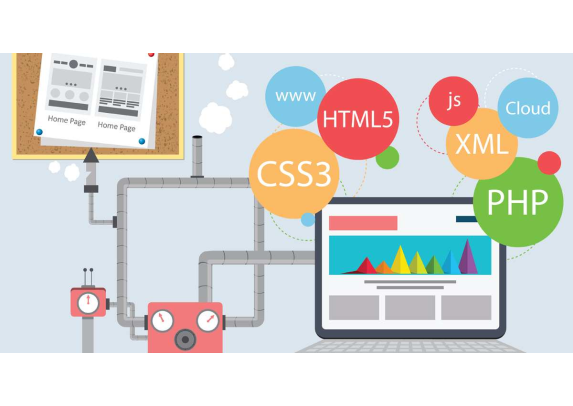
How Website Development Works: Stages, Processes, and Team Roles
For those not directly involved in the IT industry, website development often seems like magic. A developer appears to transform ideas into code, designers add visual structure, and suddenly a fully functional website is live — accessible to customers and partners, presenting your business, values, and services.
In reality, there is no magic involved. Website development is a structured process that combines technology, creativity, and coordinated teamwork. Let’s take a closer look at how a website is created — from the initial idea to launch and beyond.
Website Development as a Process, Not a One-Time Task
One of the most important things to understand before ordering a website is that development is not a one-time action.
A website launch is only the beginning. In practice, website development is a long-term process — more like a marathon than a sprint. While clients often expect a finished product by a certain deadline, long-term effectiveness requires a different mindset.
First and foremost, a website is a business tool. It must evolve over time: new pages are added, structure changes as the business grows, and communication with customers becomes more dynamic. A “living” website continuously adapts to business needs.
Second, developers do much more than design and write code. A website must run reliably on hosting, receive updates, integrate with other tools, and remain secure. These ongoing tasks turn development into a continuous process rather than a single delivery.
Finally, “turnkey” website development includes ongoing support. Updates, performance testing, security checks, and adaptation to new business goals are all part of a developer’s responsibility — ensuring the website continues to generate value and revenue.
Key Stages of Website Development from Idea to Launch
In general, website development follows a clear roadmap:
-
Discussion of the idea, concept, goals, website type, and design vision
-
Creation of a detailed technical specification for designers, front-end and back-end developers, QA specialists, and marketers
-
Development of prototypes and design mockups
-
Front-end layout and coding
-
Functional testing
-
Content integration
-
Website launch
Depending on business goals and project complexity, additional intermediate stages may be added.
Website Development Aligned with Business Goals
Modern website development is not just about visual appeal — it must align with business objectives. A small local delivery service and a nationwide enterprise have very different goals, and a professional development team takes these differences into account.
This includes sales mechanisms, user experience optimization, mobile-first design, and even DevSecOps practices when security and scalability are critical. The developer’s role is to translate business goals into functional, reliable digital solutions.
What “Turnkey Website Development” Means in Practice
Ordering a website often marks the beginning of a long-term collaboration. Clients actively participate in defining requirements, reviewing progress, testing features, and refining solutions during development.
The full development cycle does not necessarily end with launch. Modern turnkey solutions often include ongoing marketing support, performance optimization, feature improvements, and alignment with evolving technology and market trends.
For maximum effectiveness, these ongoing stages extend beyond standard website development and turn the site into a continuously improving product.
When to Choose a Professional Web Development Team
For business owners, professional website development is essential. Website builders, freelancers, or marketplace solutions offer limited flexibility and scalability.
Investing in a professional web studio delivers long-term value through:
-
a unique, memorable design aligned with brand identity
-
functionality optimized for specific business processes
-
deep integration with business tools and digital ecosystems
-
ongoing technical support ensuring stability and performance
When brand image, reputation, and positioning matter, a professionally developed website becomes a smart investment rather than an expense.
Conclusion
Website development is a multi-stage process that requires strategic thinking, professional execution, and continuous involvement. Choosing the right development team and treating your website as a long-term business asset ensures sustainable growth and strong digital performance.
A professionally built turnkey website is not just a product — it is a foundation for your business success.